
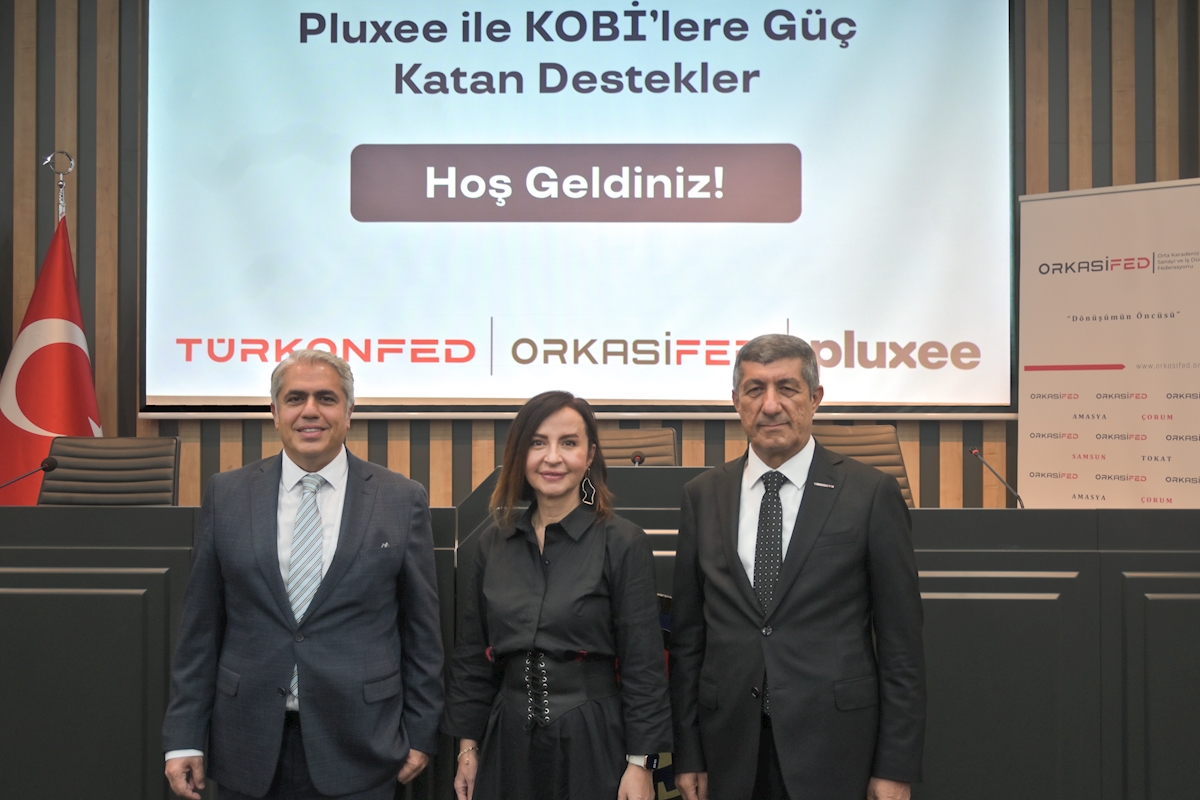
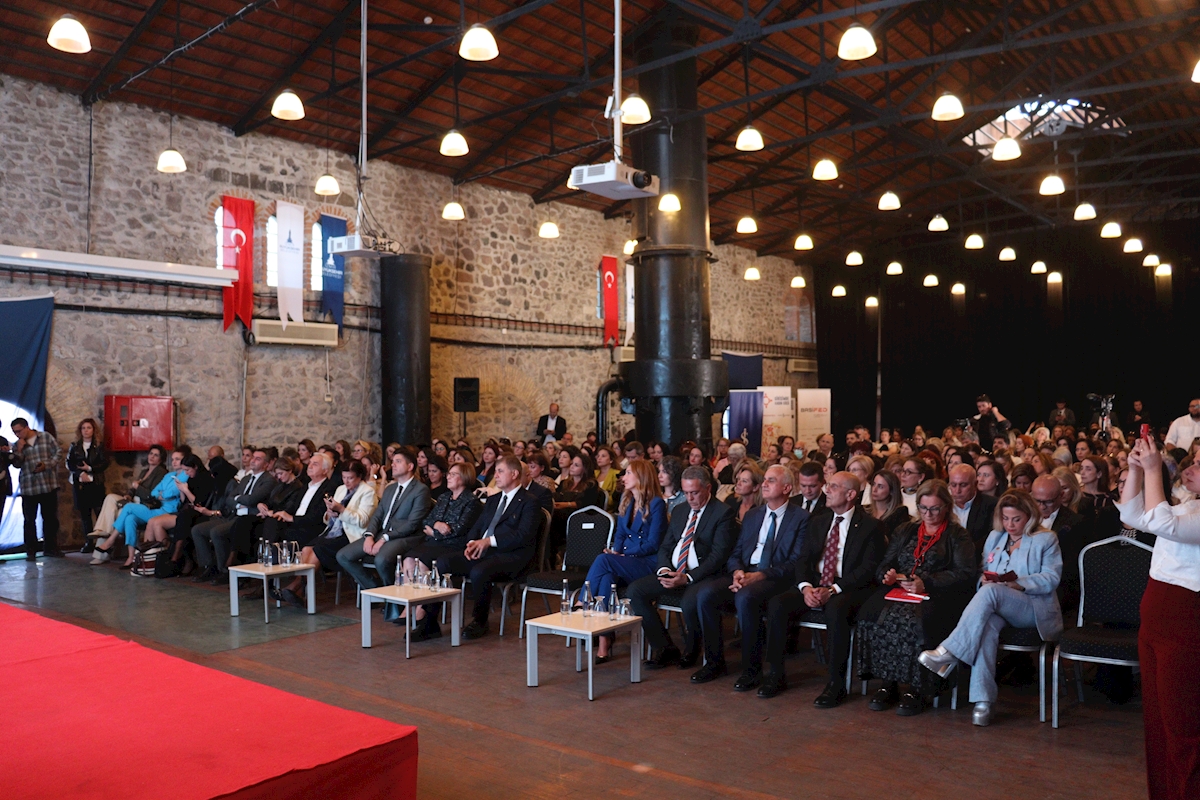
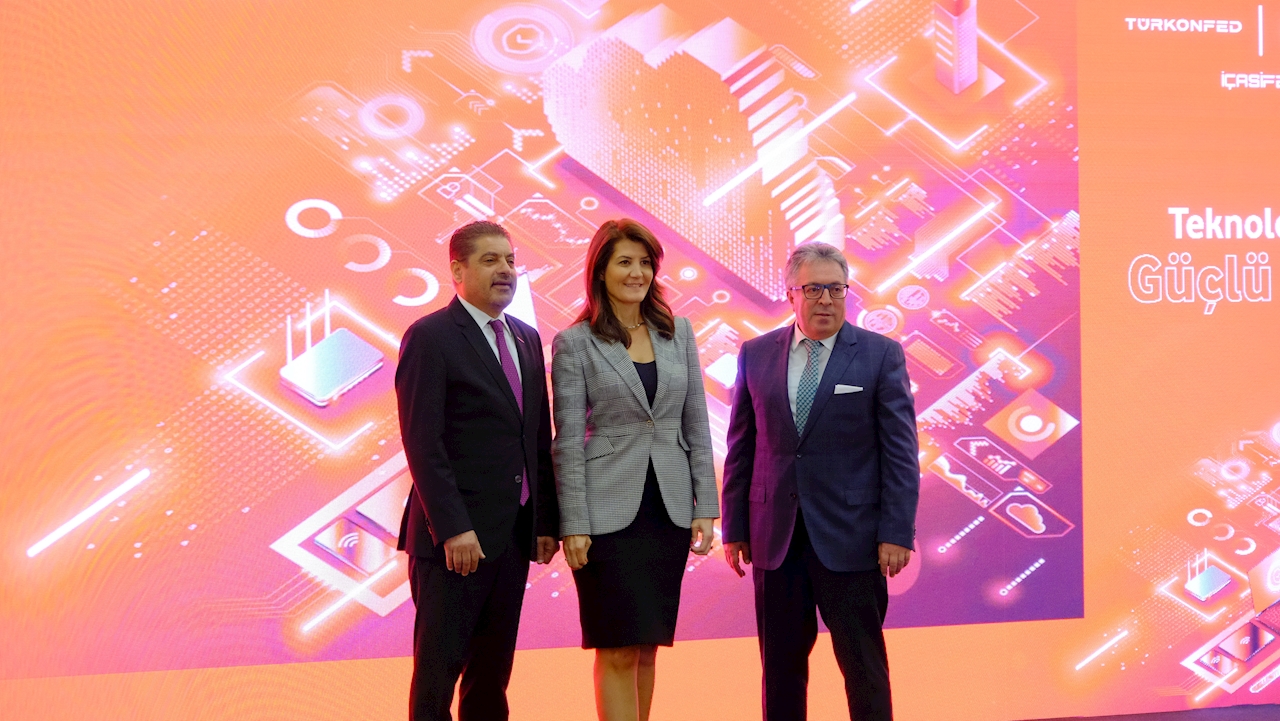
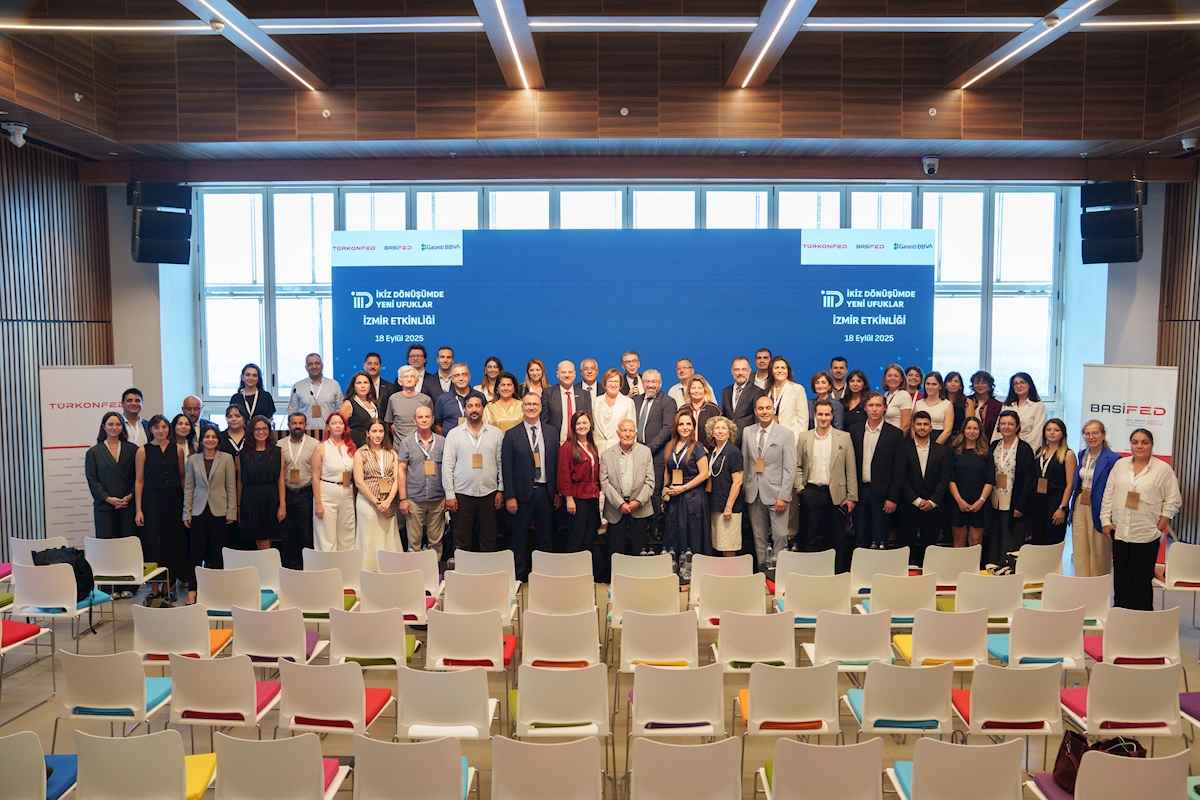



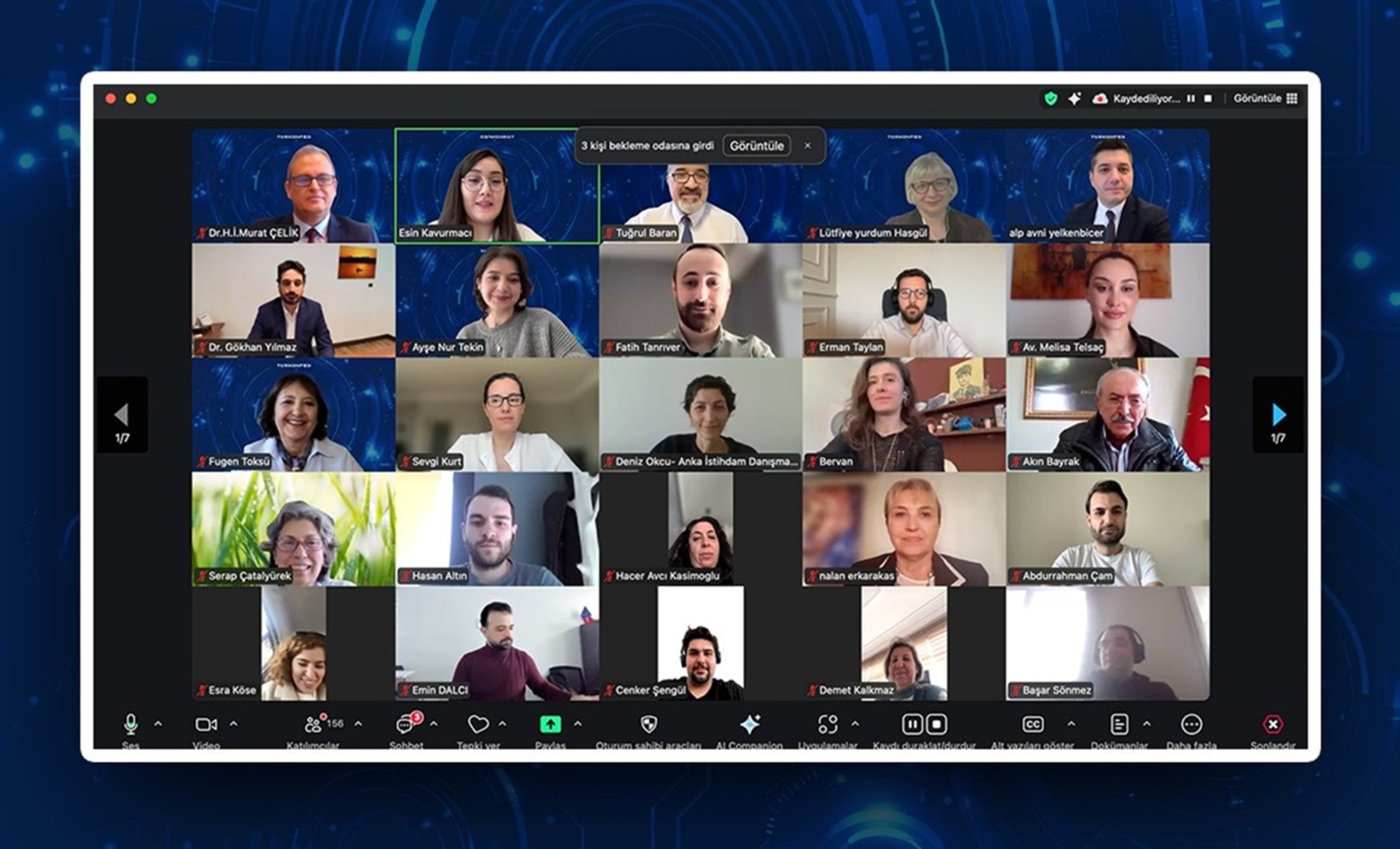
The Turkish Business Confederation (TÜRKONFED) has completed its “Next-Generation Leadership: A Guide to Transformation with Artificial Intelligence” training program, launched last year to enhance businesses’ knowledge and practical capabilities in artificial intelligence. Through six online sessions organized by the TÜRKONFED Digital Transformation Commission, the program reached nearly 1,500 business leaders and civil society representatives.
Bringing together participants from different cities and sectors across Türkiye, the program explored the impact of artificial intelligence on companies’ competitiveness, productivity, and decision-making processes. A significant proportion of participants consisted of business owners, general managers, and senior executives. The sectors showing the greatest interest in the program were textiles and apparel, education, information technology, services, and food. In terms of company size, microenterprises accounted for the largest share of participants, followed by large enterprises. Participation from small and medium-sized enterprises was at similar levels.
Alp Avni Yelkenbiçer: “SMEs Can Become Key Drivers of AI Transformation”
Alp Avni Yelkenbiçer, Chair of the TÜRKONFED Digital Transformation Commission, said, “Artificial intelligence is no longer solely the responsibility of technology teams; it has become an evolving and integral part of organizational culture. In this new era, the organizations that stand out will be those capable of aligning artificial intelligence with the right business needs, high-quality data, and strong governance practices. Within this framework, our aim is to make artificial intelligence understandable and applicable for businesses of all sizes, rather than allowing it to remain a complex technology accessible only to large corporations. SMEs, in particular, have the potential to become key drivers of this transformation thanks to their ability to make decisions quickly, their entrepreneurial structures, and their close relationships with customers.”
AI Applications Explained Through Real Business Processes
The training series covered the fundamental principles of artificial intelligence, the use of large language models and generative AI tools in daily business activities, effective prompt engineering techniques, data analysis, and decision-support applications. Participants were introduced to practical examples involving business processes such as customer segmentation, inventory and demand forecasting, reporting, sales and marketing, finance, human resources, and manufacturing.
The program also addressed the ethical, legal, and security dimensions of artificial intelligence in a dedicated session. In addition to data privacy, compliance with Türkiye’s Personal Data Protection Law (KVKK), accountability in AI systems, transparency, and data security, the sessions examined the road map businesses should follow when adopting artificial intelligence. Participants were also provided with recommendations on starting with small-scale pilot applications, measuring their outcomes, and scaling successful initiatives across their organizations.